

FusionTool-AI: AI-Driven Tool Optimization in Metal Forming
In the FusionTool-AI research project, RISC Software GmbH and its partners are developing an AI-based tool that decides whether forming tools should remain in operation, be regenerated or be replaced.
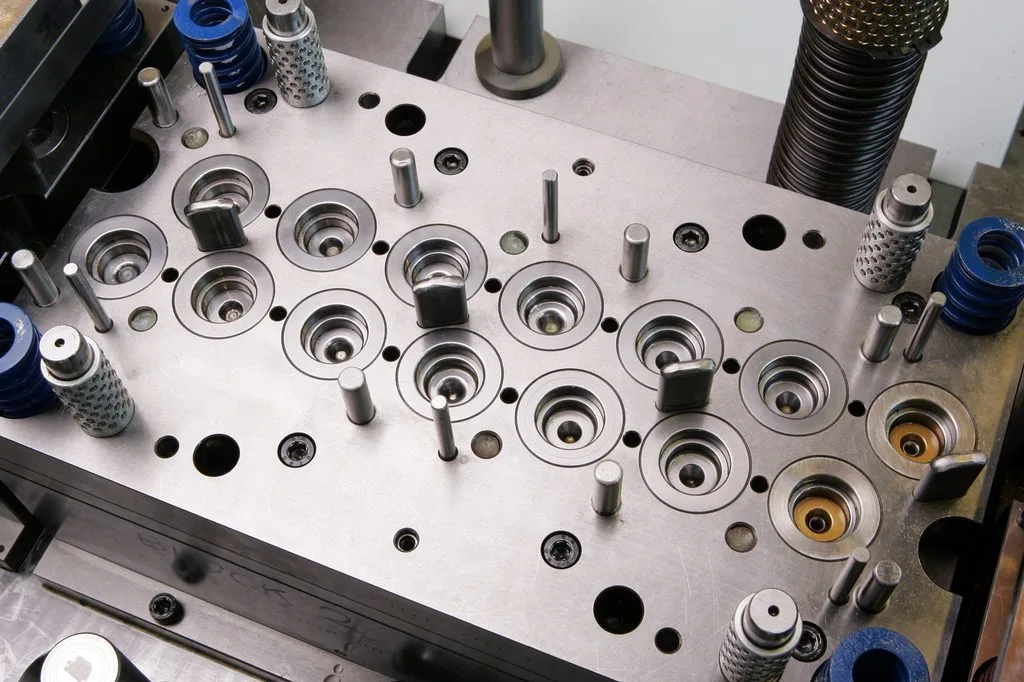
Data-driven decisions instead of rules of thumb
The metal technology industry is Austria’s strongest export sector. More than 1,200 predominantly medium-sized companies work with wear-intensive manufacturing processes in which tools account for around 8 to 15% of production costs. Today, skilled workers usually decide on the basis of their experience whether a tool continues to operate, is repaired or is replaced. Wrong decisions lead to increased material wear, longer downtimes and avoidable CO₂ emissions. To date, there is no standardised, scientifically validated decision-support methodology for this segment.
Making wear measurable at the micrometre level
The functionally relevant wear of hard coatings on active tool elements in multi-stage deep drawing ranges from 1 to 9 µm. Conventional inspection methods cannot reliably detect these changes under real shopfloor conditions. FusionTool-AI therefore relies on sub-micrometre measurement technology, creating an objective basis for every further assessment.
Intelligently linking heterogeneous data
Machine data, CAM/CAW geometry data, metrology measurements and operator observations are currently stored in separate systems. FusionTool-AI merges these sources into a semantically linked database. Multimodal AI methods derive physically grounded cause-and-effect relationships from this data and distinguish genuine causes of wear from spurious statistical correlations. The result is a concrete recommendation for action: continued operation, laser-based regeneration or an economically justified new purchase.
Hybrid laser processes for regeneration
In parallel, the project team is qualifying hybrid laser processes (EHLA, LBDED) from a materials science perspective for high-alloy cold work steels. This creates a well-founded alternative to purchasing new tools to replace worn ones.
Expected benefits
The project team is validating a functional AI prototype on two pilot lines in ongoing production at MARK. Once fully rolled out, the system is expected to reduce new tool procurement by 30% and repair costs by more than 40%, and to save around 23 tonnes of CO₂ equivalents per year. The methodology is designed as a transferable prototype and is therefore, in principle, available to more than 1,200 companies in the Austrian metal industry.
The project is funded by the Austrian Research Promotion Agency (FFG) under the 2026 General Programme call.
Project partners


Project details
- Short title: FusionTool-AI
- Full title: Prescriptive tool optimisation in forming technology through AI data fusion and hybrid laser processes
- Call: FFG General Programme, 2026 call (IWI 24/26)
- Project partners:
- Mark Metallwarenfabrik GmbH (consortium lead)
- FH OÖ Forschungs & Entwicklungs GmbH
- RISC Software GmbH
- Total budget: EUR 571,888
- Duration: 06/2026–05/2027 (12 months)
Contact person
Project lead

Dr. Roxana Holom, MSc
Data Science Project Manager & Researcher