The QuaMeDis Project Aims to Make Medication Dispensing 100% Safe
A Game Changer in Healthcare: A strong consortium is using state-of-the-art hardware and artificial intelligence to develop a system designed to eliminate medication errors in hospitals in the future.
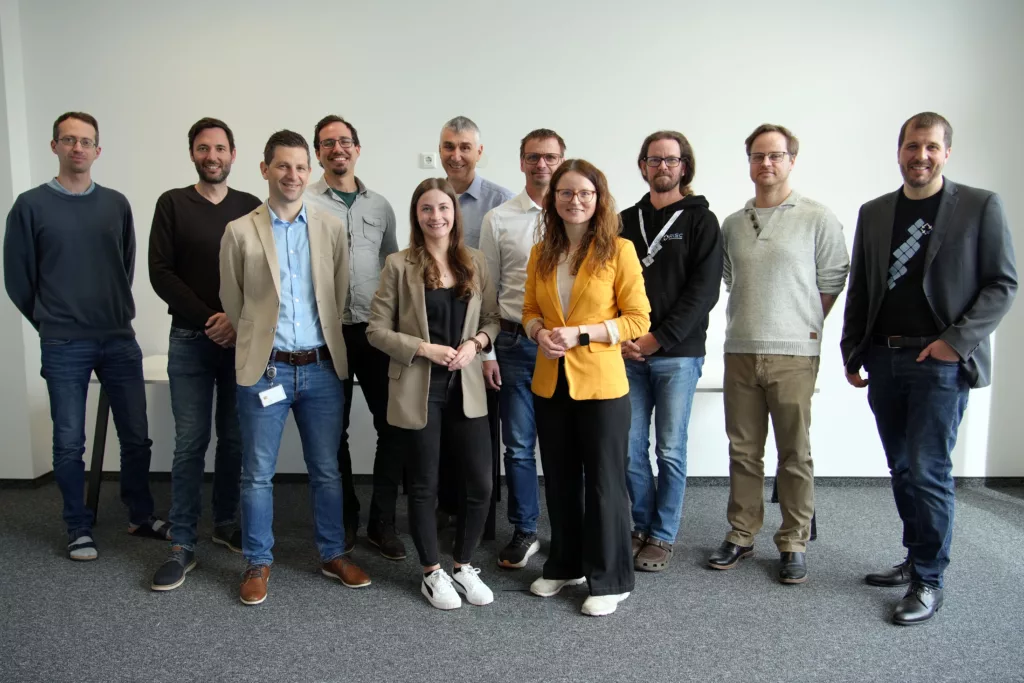
With the launch of the QuaMeDis (“Ensuring Quality in Medication Dispensing”) research project, Upper Austria is setting a milestone in digital healthcare. Under the leadership of RISC Software GmbH, the Upper Austrian Health Holding (OÖG), the Kepler University Hospital (KUK), the University Clinic for Neurosurgery at JKU MED, and R’n’B Consulting GmbH are collaborating on a technology designed to make medication dispensing in hospitals and long-term care facilities safer. The goal of the three-year project, funded by the FFG, is to radically improve patient safety and reduce the error rate in medication dispensing to zero.
5,500 medication errors per year: QuaMeDis ensures digital safety
According to studies, approximately 5,500 hospital patients in Austria are affected by medication errors each year. QuaMeDis aims to eliminate this risk with a smart, automated monitoring system. The project aims to eliminate sources of manual error and sustainably improve the reliability of medication dispensing.
AI Tests Medications in Real Time
At the heart of the project is a prototype that enables fully automated plausibility checks of pill dispensers. Specially developed hardware equipped with optical sensors captures high-resolution images of the filled medication boxes. Deep learning algorithms then classify the tablets based on their visual characteristics. By automatically comparing the data with the electronic prescription, discrepancies are detected and reported in real time—a crucial step toward greater safety in the medication process.
“Artificial intelligence can provide an additional safety net in areas where manual processes have traditionally dominated. QuaMeDis demonstrates how technology can protect lives while also reducing the workload on hospital staff. We’re drawing on our many years of experience in medical informatics and AI research to develop a system that meets the highest clinical standards,” explains Benjamin Esterer, project manager at RISC Software GmbH.
Collaboration between IT, medicine, and regulatory affairs makes all the difference
QuaMeDis’s success is based on close interdisciplinary collaboration among the partners. As the consortium leader, RISC Software GmbH is responsible for AI research, the development of machine learning and computer vision algorithms, and the integration of the overall system. Oberösterreichische Gesundheitsholding contributes the clinical application context and defines the requirements based on everyday nursing practice. Kepler University Hospital and the University Clinic for Neurosurgery at JKU MED complement this expertise with in-depth medical knowledge—particularly regarding medication processes in acute care—and provide the clinical testing environment. R’n’B Consulting GmbH supports the project with its regulatory expertise and ensures that the developed prototype meets the strict requirements for a medical device.
Technology from Upper Austria Sets New Standards in Patient Safety
The results of the project, which will run through February 2029, are to be incorporated into a market-ready end-to-end system. Through seamless integration into existing hospital infrastructures, QuaMeDis will play a pioneering role in the development of safety-critical medical AI applications. In doing so, the project not only strengthens Upper Austria as a technology hub but also makes a lasting contribution to global patient safety.